A whole-home surge protector costs $350–$650 installed in Dallas-Fort Worth for a basic 80kA unit, $550–$950 for a mid-grade 120kA unit with LED status, and $900–$1,500 for a premium 200kA+ unit with EMI/RFI filtering. Prices include the device, labor, panel integration, and permit.
2026 installed prices in DFW
| System | Installed price |
|---|---|
| Basic 80kA surge protector | $350 – $650 |
| Mid-grade 120kA with LED status | $550 – $950 |
| Premium 200kA+ with EMI/RFI filtering | $900 – $1,500 |
| Commercial-grade 300kA+ (large estates) | $1,500 – $2,800 |
| Panel upgrade + surge protector bundle | $2,200 – $3,800 |
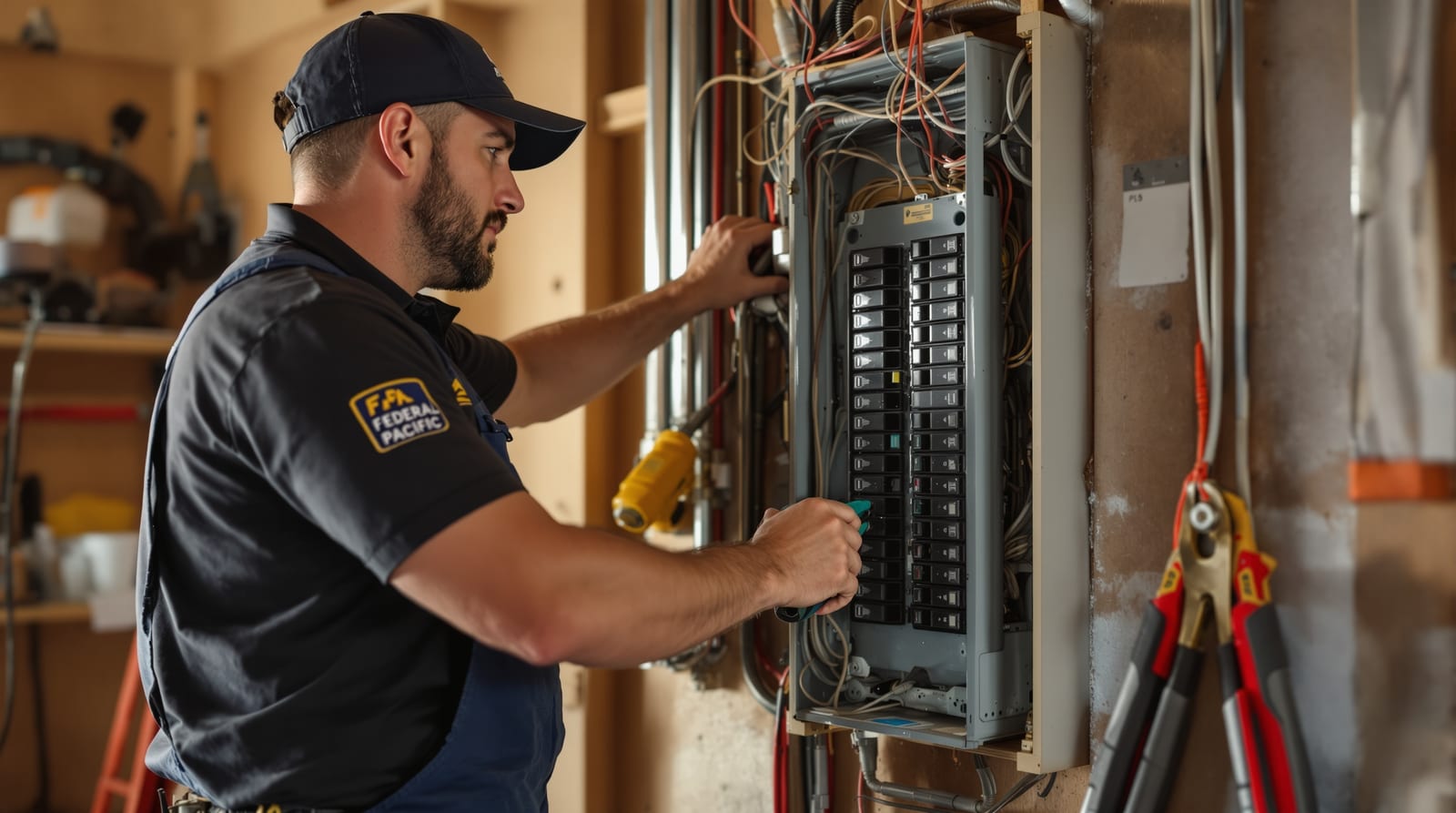
The device is the cheap part. What you're paying for is a licensed electrician integrating it safely with your main panel, verifying your grounding system can actually disperse a surge, and pulling the permit. A $200 self-installed unit from Amazon inside your panel is a fire hazard, not a saving.
What size do you need?
For DFW homes, 80kA–120kA is the right range. Texas leads the nation in lightning strikes, and a strike within a quarter-mile can push 30,000+ volts into your wiring; Oncor grid switching and eight months of AC compressor cycling add smaller surges year-round. The protector mounts at your main panel and shunts excess voltage to ground in under a nanosecond — covering the HVAC, appliances, electronics, and the wiring itself.
Power strips don't do this job. They protect one outlet against minor surges and nothing hardwired — no HVAC, no oven, no water heater. Whole-home at the panel stops the big hits; power strips are only useful afterward, for residual noise.
Get an exact price for your panel.
Written flat-rate quote, permit included.
Surge protector cost FAQs
$350–$650 installed for a basic 80kA unit in DFW, $550–$950 for a 120kA unit, and $900–$1,500 for premium 200kA+ models. That includes the device, labor, panel integration, and the electrical permit.
Yes. Every DFW municipality requires an electrical permit and inspection for work inside a main panel. Clements Electric pulls all permits as part of installation — the documentation also matters for insurance claims.
5–10 years under normal conditions; in Texas's surge-heavy grid, have it inspected every 3–5 years. Most units show a green LED when protecting and red when the internal MOVs have degraded — red means it still passes power but no longer protects, so replace it immediately.
No — a direct hit delivers 100,000+ amps and overwhelms any protector. But direct strikes are rare; the induced surges from nearby strikes are what these devices are built for. For rural Parker or Wise County homes, we also recommend lightning rods.
Yes — one saved HVAC board ($600+) or refrigerator ($1,500+) pays for the device. Texas homes take more surges than any other state: highest lightning density in the country, plus grid-switching surges that need no storm at all.