Constant breaker trips, flickering lights, or planning a renovation? Learn the 8 warning signs that your electrical panel needs an upgrade, what it really costs, and why a modern 200-amp panel is essential for safety, comfort, and home value in Dallas-Fort Worth.
An electrical panel is not the most glamorous home system to think about. But an outdated or overloaded panel? That is one of the biggest hidden risks in older homes. If your breakers trip constantly, your lights flicker, or you are about to renovate, you need to know: does your home need a panel upgrade? This guide reveals the 8 warning signs -- and what to do about them.
Why Panel Upgrades Matter (And Why You Cannot Ignore Them)
Your electrical panel is like the heart of your home's electrical system. It distributes power to every outlet, switch, and appliance in your house. Here is the problem: homes built before 1990 typically have 100-amp service panels. Modern homes need 200-amp service. Think about how much has changed -- air conditioning drawing massive power, electric vehicles, smart home devices, modern appliances like dishwashers and microwaves, and home entertainment systems. Older panels simply cannot handle it.
The consequences are serious: constant circuit breaker tripping, overheating panels that create fire hazards, dimming lights when appliances turn on, insurance problems where outdated panels may void coverage, lower home resale value, and inability to add new circuits. If your home has an old, struggling panel, upgrading is not optional -- it is essential.
Warning Sign #1: Frequent Circuit Breaker Tripping
Every time you turn on the AC, use the microwave, and run the dishwasher simultaneously, the breaker trips and you lose power to part of your home. Your circuits are overloaded -- they are designed to handle only so much power. When you exceed the limit, the breaker trips to protect your wiring from overheating and causing a fire. Occasional tripping is normal, but if it happens multiple times per week, especially when you are just using normal appliances, it is a red flag.
What to do: stop using extension cords for high-power devices, do not plug multiple high-draw appliances into the same outlet, and call a licensed electrician to diagnose the issue. Cost to fix: $200-$500 for a breaker replacement, or $2,000-$4,500 if you need a full panel upgrade because the panel is old.
Warning Sign #2: Flickering Lights
Lights flicker or dim when you turn on the AC, dryer, or microwave. Flickering is not just annoying -- it indicates voltage fluctuation that can damage sensitive electronics like computers, smart TVs, and appliances. Your panel cannot supply steady power to all circuits, and older panels especially struggle when multiple high-draw devices run simultaneously.
It is not an immediate emergency, but it is a clear sign your panel is struggling. Have an inspection done within the next month. Note when flickering occurs -- which appliances trigger it -- and call for a free electrical inspection. Consider upgrading to a 200-amp panel. Cost to fix: $2,000-$4,500, as this typically requires a full panel upgrade.
Warning Sign #3: Burning Smell Near the Electrical Panel
You smell a burning or melting plastic smell coming from your panel. This is a fire hazard -- call immediately. Burning smell means wiring is overheating or insulation is melting. This is a serious fire risk caused by overloaded circuits, faulty breakers, outdated wiring, or connection corrosion.
What to do: call 817-803-4444 immediately, do not use the affected circuits, and if the smell intensifies, consider evacuating. Let professionals handle this. Cost to fix: $500-$2,000+, with emergency service rates applying.
Warning Sign #4: Aluminum Wiring (Specific Risk)
You look inside your panel and see silver-colored wiring instead of copper. Aluminum wiring was used in homes from the 1960s-1970s and is more prone to overheating, corrosion, connection failure, and fire risk. The modern standard is copper wiring, which is much safer.
Have a licensed electrician inspect your panel. If you have aluminum wiring, upgrade to copper wiring and possibly a new panel. This is a serious issue that insurance companies watch for. Cost to fix: $2,500-$5,000 for a full panel replacement plus new copper wiring.
Warning Sign #5: Old or Unrecognized Panel Brand
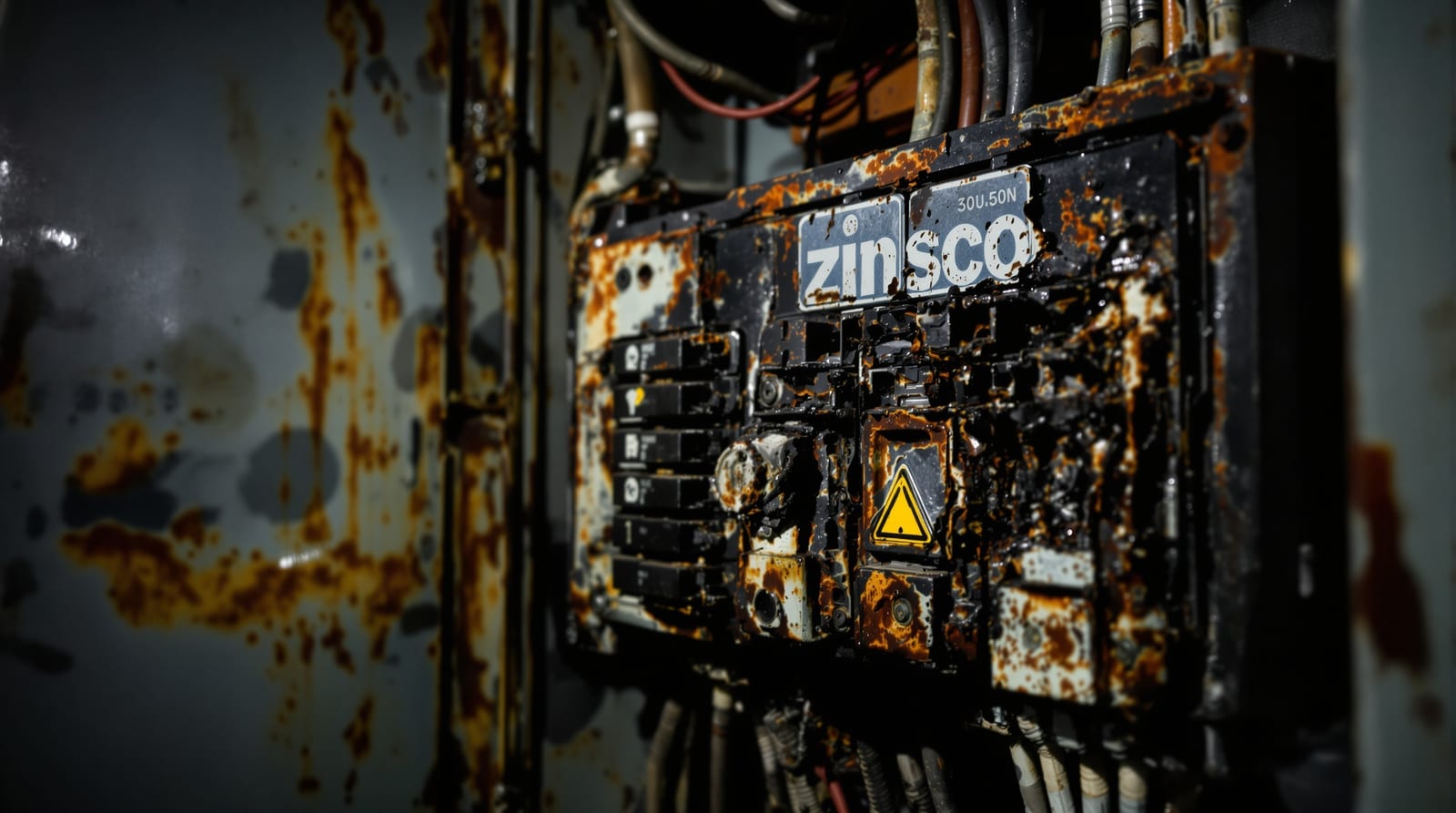
Your panel is labeled Federal Pacific, Zinsco, Pushmatic, or another unfamiliar brand. Certain older panel brands have documented defects: Federal Pacific breakers fail to trip causing fire risk, Zinsco breakers do not trip properly with overheating risk, and Pushmatic has similar defect risks. These panels may not pass home inspections, can void home insurance, and require mandatory upgrades during home sales.
Get a photo of your panel noting the brand, call for a free inspection, and budget for panel replacement if it is one of these brands. Cost to fix: $2,000-$4,500 for complete replacement.
Warning Sign #6: Only 100-Amp Service (and You Are Adding Major Appliances)
Your panel shows 100A and you want to add an electric vehicle charger drawing 30-50 amps, a hot tub needing 30-50 amps, a central AC upgrade, or electric heating. 100-amp service is maxed out by modern homes, and adding high-draw appliances will cause constant tripping.
Upgrade to 200-amp service before installing new appliances. This requires a full panel replacement. Plan the upgrade before purchasing new equipment. Cost to fix: $2,500-$4,500 for a full panel upgrade.
Warning Sign #7: Rust or Corrosion on the Panel
Your panel has visible rust, corrosion, or moisture damage around it. Rust indicates age and deterioration, possible water damage, internal corrosion affecting connections, and reduced safety.
Call for inspection immediately, fix any water intrusion issues, and plan for panel replacement. Cost to fix: $2,000-$4,500 for replacement plus $500-$2,000+ for water damage fixes.
Warning Sign #8: Loose or Warm Connections on the Panel
You notice the panel feels warm to the touch or a breaker feels loose and wiggly. Loose connections cause resistance and heat -- and heat causes fires. Do not touch the panel yourself. Call a licensed electrician immediately. A loose breaker is a fire risk. Cost to fix: $200-$800 for breaker tightening or replacement.
How Much Does a Panel Upgrade Actually Cost?
The simple answer: $2,000-$4,500 installed. Here is the breakdown. Material costs: new 200-amp breaker panel $400-$800, new breakers $50-$200, wiring and connections $200-$400, hardware like lugs and connectors $100-$200. Materials subtotal: $750-$1,600. Labor costs: installation and connection $1,000-$2,000, permits and inspection $300-$600, testing $200-$400. Labor subtotal: $1,500-$3,000. Total: $2,250-$4,600.
Factors that increase cost: panel in a hard-to-reach location, old aluminum wiring requiring full replacement, multiple disconnect switches, upgrading service line to 50+ amp service, and outdated house wiring. Factors that decrease cost: new construction with easy panel access, modern wiring already in place, and simple straightforward installation.
Financing Options for Your Panel Upgrade
Most panel upgrades are expensive, which is why we offer financing: 12-month financing with no interest for approved credit, 24-month financing with low interest rates, and payment plans through our finance partner. Example: a $3,500 panel upgrade works out to $292 per month for 12 months.
What to Expect During a Panel Upgrade (Day by Day)
Day 1: Inspection and Shutdown (4-6 hours)
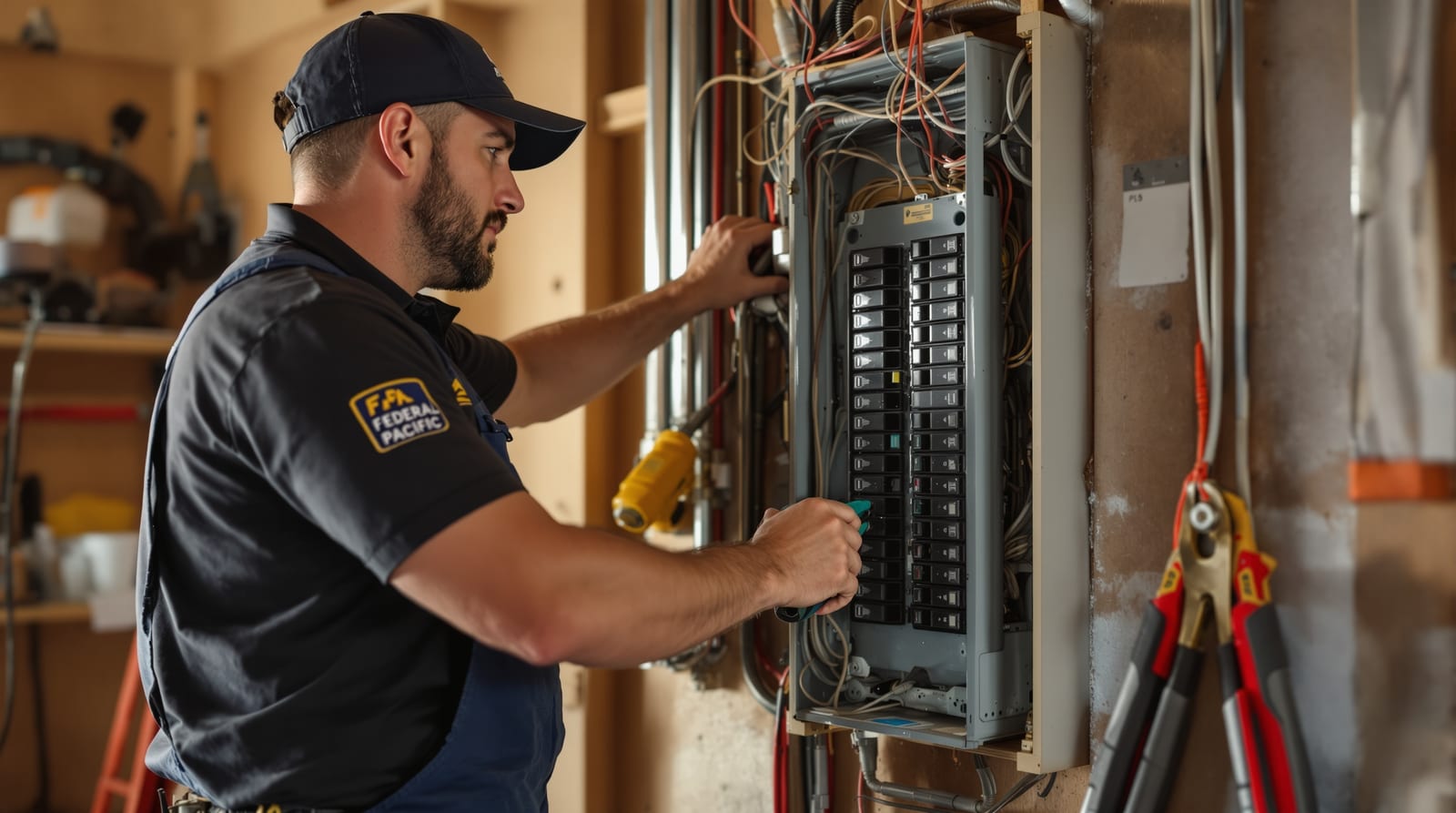
A licensed electrician inspects your current panel, turns off the main breaker so your home loses power, removes the old panel, assesses existing wiring for copper vs. aluminum, measures space for the new panel, installs mounting hardware, and verifies everything was shut down safely. During this time you will have no power -- plan accordingly by taking a long lunch or visiting a friend.
Day 2: Installation and Power Restoration (4-6 hours)
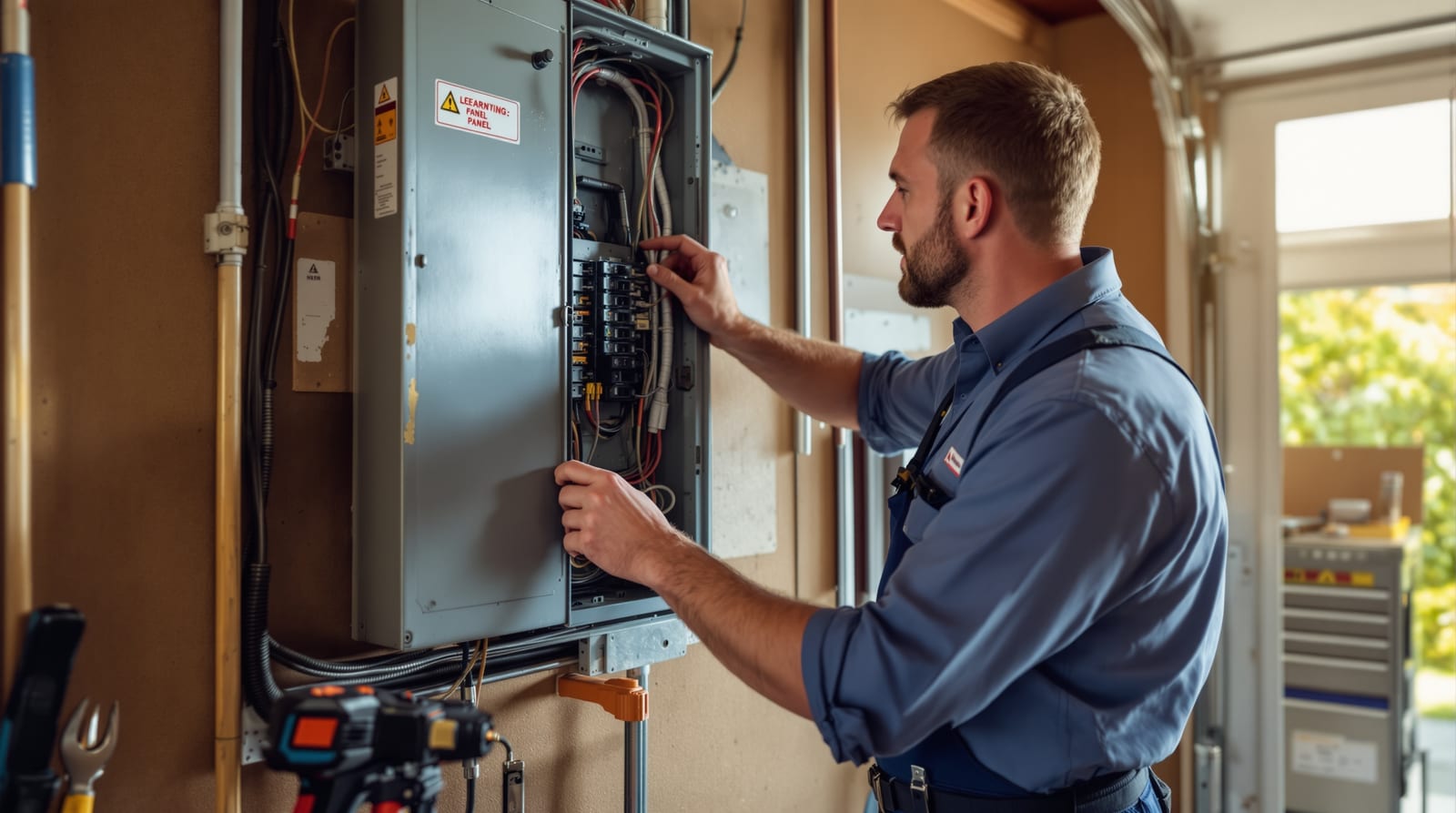
The new 200-amp panel is installed in the same location, breakers and wiring are connected, a new disconnect switch is installed if needed, main power is restored, individual circuits are tested, the city electrical inspector arrives for final approval and signs off, and you are done. By the end of Day 2, you have a brand new electrical system with modern safety features.
Do I Need a Permit for a Panel Upgrade?
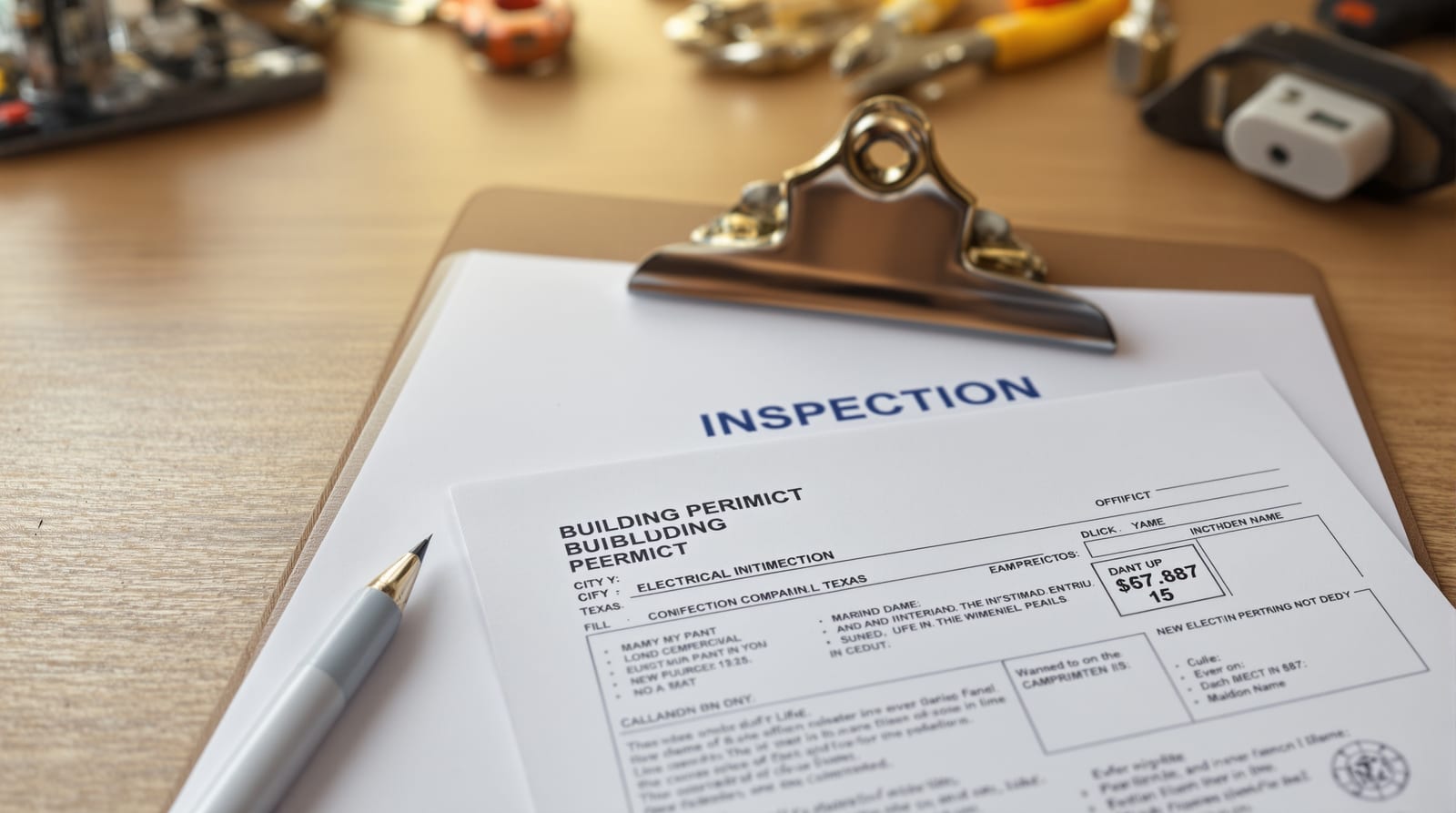
Yes, always. In Texas -- Dallas, Tarrant, Collin counties -- a licensed electrician must pull a permit for electrical panel work. This is required by law. Permits ensure the work meets electrical code, are required for insurance claims, protect your home's resale value, let a city inspector verify quality, and protect you legally. Good news: we handle all permits. You do not need to do anything -- just hire us and we take care of it. Permit cost: $300-$600, included in our quote.
How to Know If You Need an Inspection
You should get an inspection if your home is 40+ years old, you experience frequent breaker trips, you smell burning near the panel, you notice flickering lights regularly, you are planning a major renovation, you are adding a new high-draw appliance like AC, hot tub, or EV charger, you are planning to sell your home since buyers may require it, your panel is a known problematic brand, or it has been 10+ years since your last inspection.
Professional inspection cost: $100-$150. Good news: if you hire us for the panel upgrade, we often waive the inspection fee.
Ready to get started?
Frequently Asked Questions
No. Electrical panel work requires a licensed master electrician. It is dangerous and illegal without proper licensing in Texas. Mistakes at the panel can electrify your grounding system, create arc-fault conditions, or start a fire inside your walls.
Yes, for about 2-4 hours during installation. We recommend planning ahead -- take a long lunch, visit a friend, or run errands. We coordinate with your utility company so power is restored as quickly as possible.
You may need additional permits or approval from the historic preservation board. We handle this -- just let us know during your estimate. We have worked on homes in historic districts across Dallas and Fort Worth.
No. It is industry standard for homes built after 1990. It gives you plenty of capacity for modern appliances, provides room for future additions like EV chargers and hot tubs, and future-proofs your home. A 100-amp panel in a modern home is the real problem.
No. Panel upgrades are all-or-nothing. You replace the entire panel. Partial upgrades leave old, potentially dangerous components connected to new ones, which creates compatibility issues and defeats the purpose of upgrading.
40-60+ years with proper maintenance. Modern panels are built to last with copper bus bars, robust breaker connections, and enclosures rated for Texas heat and humidity. Annual inspections help catch minor issues before they become problems.
Yes. A modern electrical system is attractive to buyers and often required for home sales in DFW. Home inspectors flag outdated panels immediately, and buyers negotiate price reductions or demand replacement. Upgrading before listing removes that objection and can justify a higher asking price.